
Stargazing in Sedona: Why July is the Best Month to Look Up
Sedona is famous for its red rocks, its hiking trails and its one-of-a-kind energy. But as the sun sets and the canyon walls turn deep violet, another spectacle begins, one that happens entirely overhead.
July 2026 is shaping up to be one of the best months of the year to stargaze in Sedona, with a dazzling lineup of celestial events that rival anything you’ll find at a planetarium.
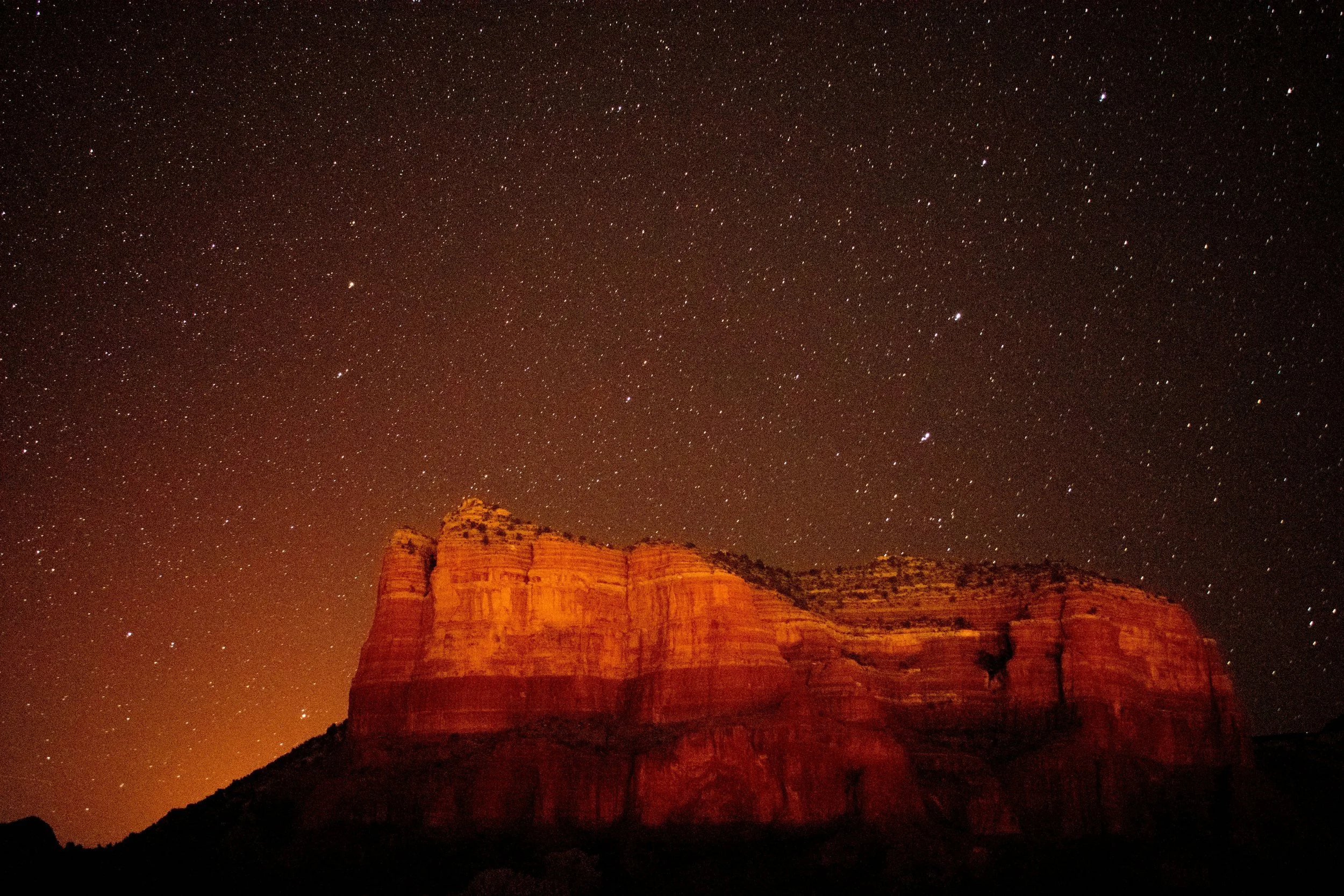
Sedona’s Secret Advantage: Dark Skies
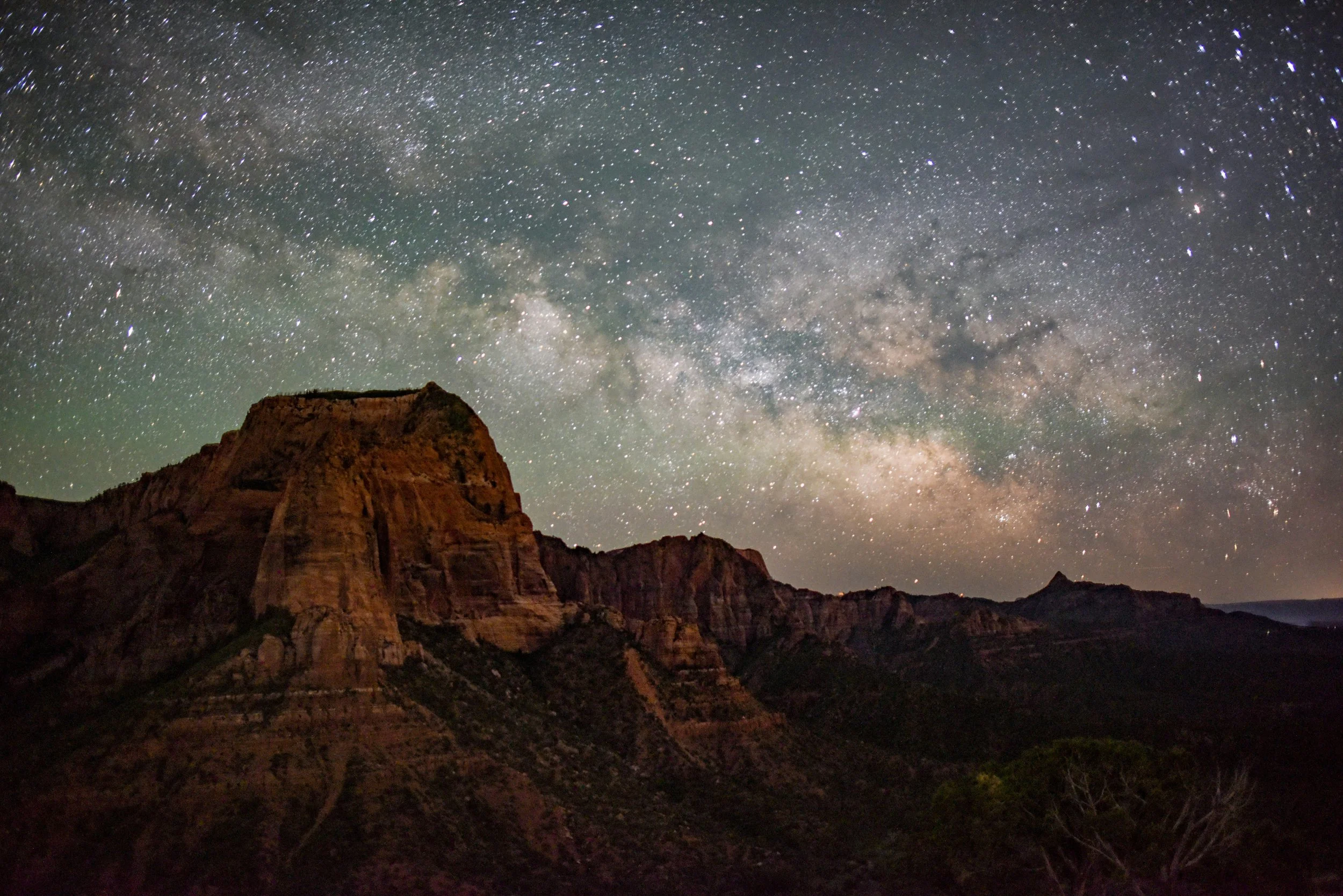
One of the most underrated things about Sedona is its proximity to genuinely dark skies. Step a few minutes outside of town and the Milky Way appears in full, glittering detail, something most city-dwellers go their whole lives without seeing.
In July, the galactic core is positioned in the southern sky throughout the night, making it visible without any equipment once your eyes adjust (give yourself about 30 minutes in the dark). The best night to catch it this month? July 14, the new moon, when there’s virtually zero lunar interference.
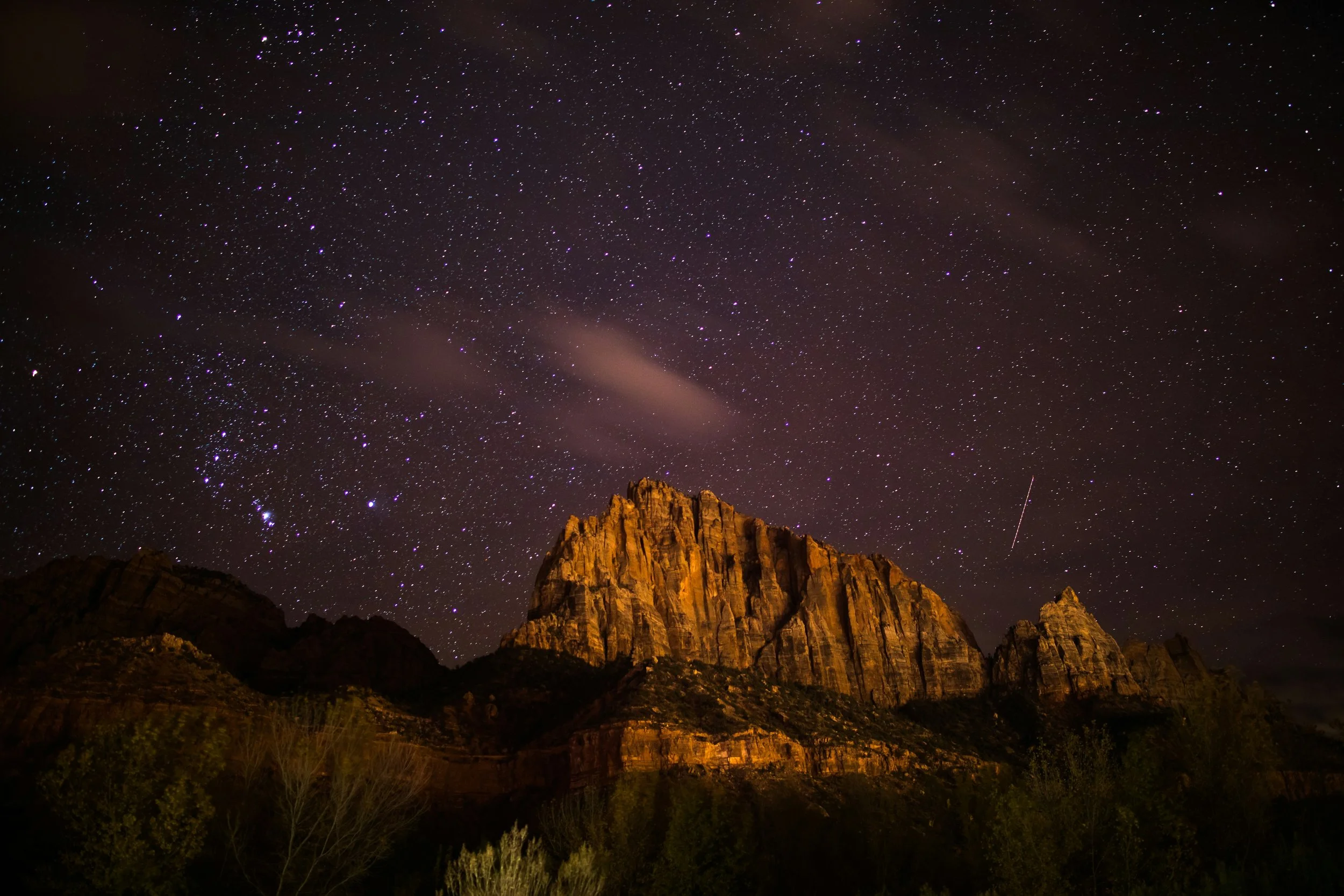
What’s in the Sky This July
Venus is putting on a show all month long as the brilliant “Evening Star,” visible low in the western sky for up to two hours after sunset. It’s the easiest celestial object to spot in July and practically impossible to miss. On the evenings of July 16 and 17, a crescent moon drifts close to Venus in the western sky, a pairing that’s as beautiful as it is easy to photograph, even with a phone.
Later in the month, skygazers are in for a real treat. The Full Buck Moon rises on July 29, and on the nights of July 30 and 31, two meteor showers overlap in a rare celestial double feature: the Southern Delta Aquariids and the Alpha Capricornids. While neither shower is a fireball spectacle on its own, the combination of the two—plus Sedona’s dark skies—gives patient observers a genuinely memorable night. Look toward the southern sky after midnight for the best views.
How to Make the Most of It
You don’t need a telescope to enjoy Sedona’s night sky, just clear conditions and a little patience. A pair of binoculars will enhance your view of the Milky Way’s core and help you pick out the Pleiades star cluster. If you want to go deeper, the Sky Tonight app is an excellent free tool that shows you exactly what’s visible from your location in real time.
A few practical tips for the best experience: get away from the brightest parts of the city, give your eyes at least 20 to 30 minutes to adjust to the dark, and bring a blanket. Sedona evenings cool down quickly even in July.
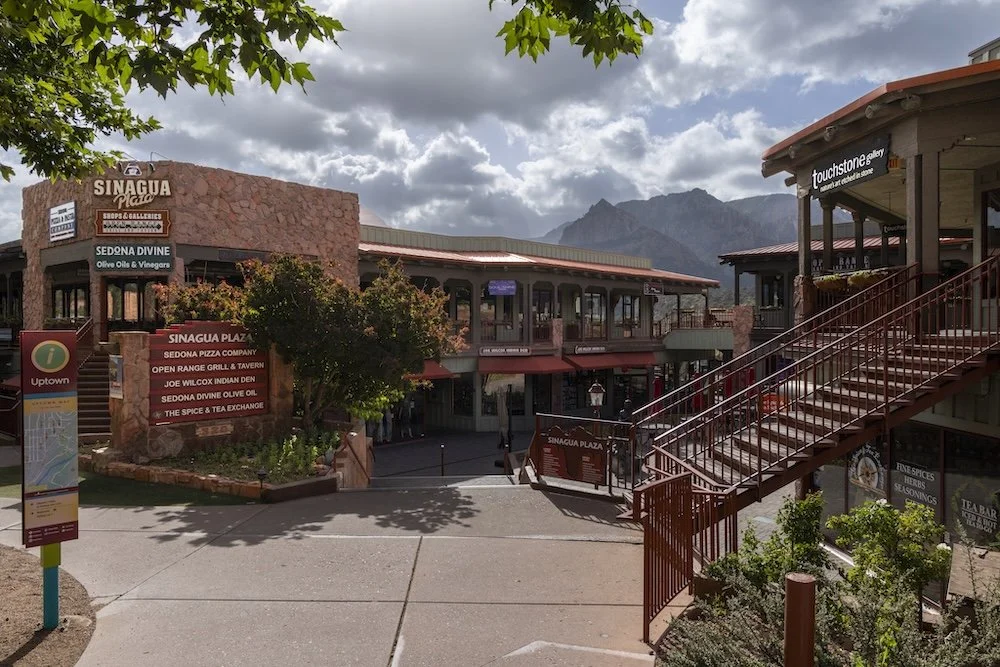
Start (and End) Your Evening at Sedona Center
The perfect Sedona stargazing night starts with a great dinner. Sedona Center is home to four exceptional restaurants: Open Range Grill & Tavern, Sedona Pizza Company, Don Diego Mexican Cuisine, and Canyon Breeze Restaurant. Each offers a memorable meal before you head out under the stars. Finish with a scoop from Sabrina’s Gourmet Ice Cream and you’ve got a night worth repeating all summer long.
The stars are waiting. All you have to do is look up.
Sedona Center is located at 320 N. State Route 89A in Uptown Sedona.